
Exhibitions
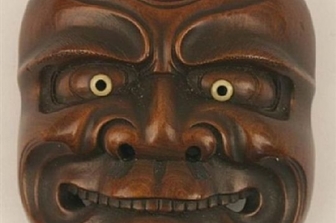
The Mask
Masks are present in many cultures. Perhaps they are expressions of man's desire to escape his human existence.
Monday, 09.04.07
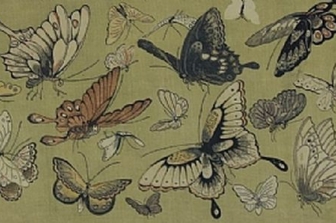
Go to the Ant
Since early times, the artists of Japan have expressed their love of the beauties of nature in their exquisite works.
Saturday, 28.07.07
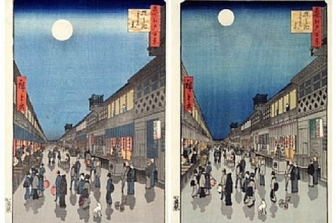
Spot the Difference
The question of the "original edition" or the "later edition" of the traditional Japanese woodblock prints has aroused much interest in students of Japanese art, and is a source of concern to collectors.
Saturday, 28.07.07
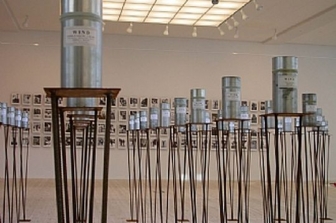
Tinned Wind
In every society and culture worldwide, the wind plays a vital role - as a metaphysical phenomenon, as a source of power, in art and literature.
Sunday, 06.01.08
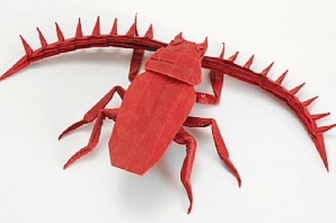
Treasures of Origami Art
For the first time in Israel, a large-scale, up-to-date exhibit of origami art is being held at the Tikotin Museum of Japanese Art, in the city of Haifa.
Sunday, 06.01.08
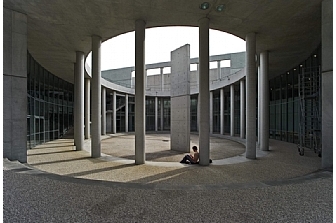
Tadao Ando
Architect between East and West
This exhibition presents works by the renowned Japanese architect Tadao Ando, photographed and analyzed by Rudolf Klein, Professor of Architectural History.
Sunday, 06.01.08
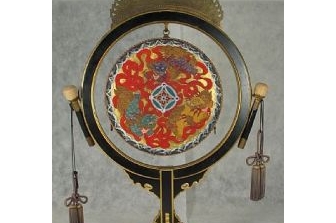
The Traditional Musical Instruments of Japan
Three types of instrument are used for performing traditional Japanese music drums, stringed instruments, and wind instruments (especially the flute).
Saturday, 21.06.08
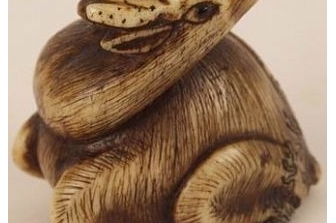
The Nature of the Beast
Animals in Japanese Art
The exhibition follows how Japanese artists, in particular those of the Edo era (1603-1868), depicted animals.
Saturday, 05.07.08
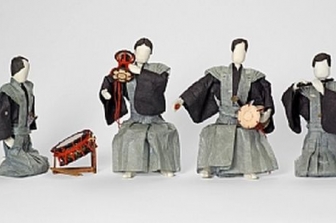
Paper Theatre
At the age of twelve, while rummaging through her father's library, Ruth Falk found a booklet containing Japanese poems of 17 syllables - haiku - in a German translation. She was amazed at how much can be said in only a few words, and her curiosity was aroused.
Saturday, 28.06.08
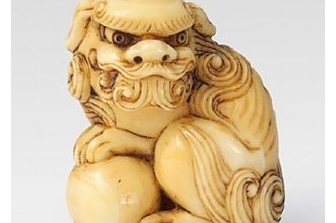
Fabulous Creatures
The Lion-dog
The lion-dog (shishi or jishi) came to Japan with Buddhism, either from China or from Korea in the 7th or 8th century.
Saturday, 08.11.08
Please contact us and we will contact you as soon as possible