
In Praise of Shadows | Silence in the Time of Light
Opening soon
Sunday, 28.06.26, 10:00
Saturday, 28.11.26
curator:
Shoshi Ciechanover
More info:
04-6030800.png)
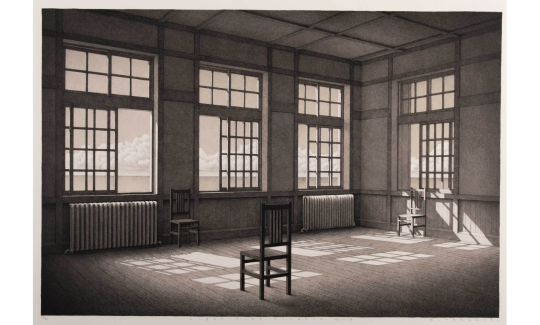
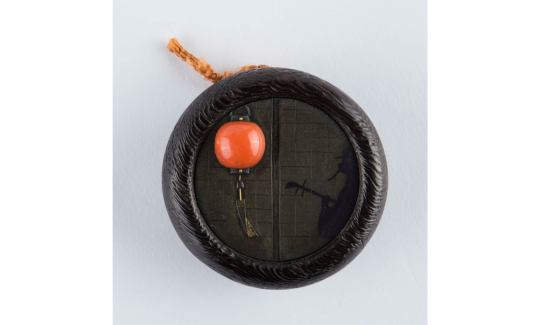
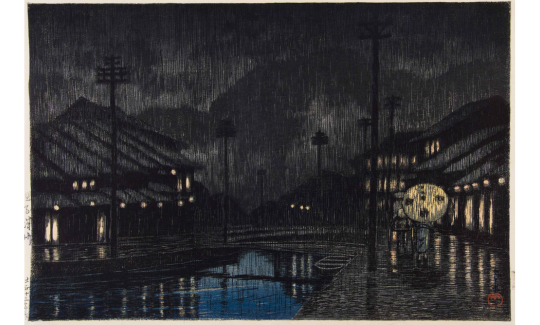
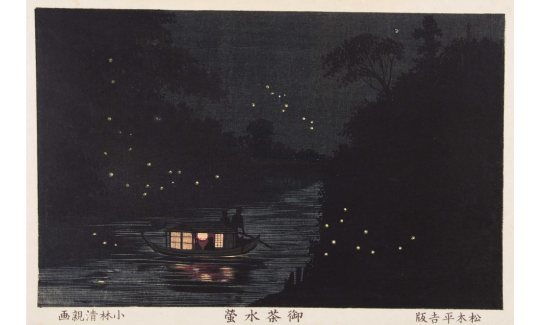
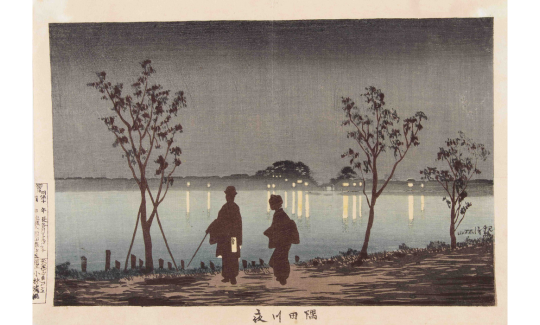
In 1933, Jun'ichirō Tanizaki wrote the essay "In Praise of Shadows", a text born from a deep sense of loss of the old, traditional world. It is not just an aesthetic perception that is at stake here, but an entire world experience. Tanizaki wrote the essay at a moment of profound historical change in Japan. The decades following its opening to the West during the Meiji period (1868-1912) brought with them accelerated industrialization, electric lighting, new architecture, and modern technology. In a brief time, not only the streets and houses changed, but also the very conditions of observation. The gloomy interiors of the wooden houses, the diffused light of paper lanterns, and the spaces built for shadows, gradually faded. Where there had once been a subtle transition between darkness and light, a complete, almost overtly unconcealed clarity appeared. Tanizaki’s essay is not just a discussion of aesthetics, but an allegory of the loss of sensitivity, delicacy, and change of rhythm, of the way light falls on old wood, the way gold flashes out of the gloom or soft shadow is absorbed by paper, and the silence created when things are not fully revealed. In Tanizaki’s eyes, Western modernity is not just a technological change, but a change in the very conditions of vision itself in a world where everything is too visible, too bright, too immediate, and too fast.
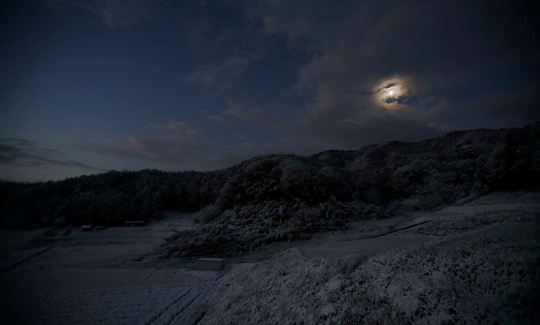
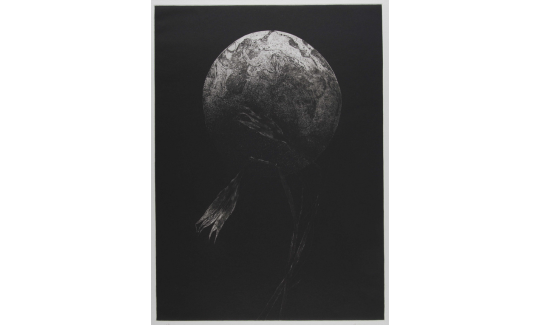
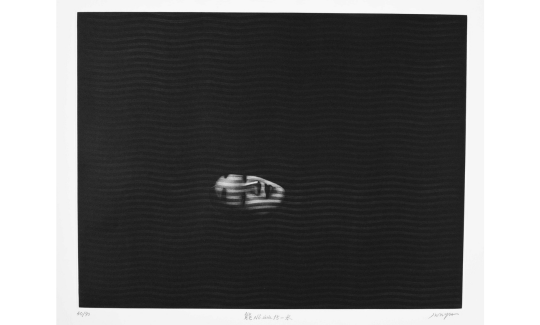
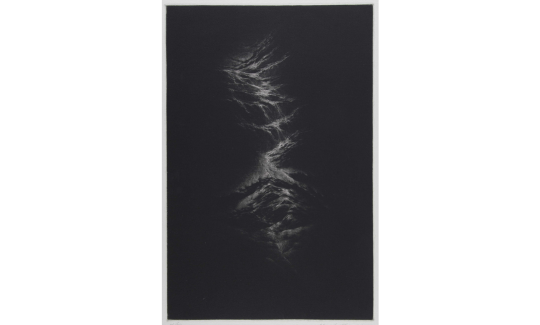
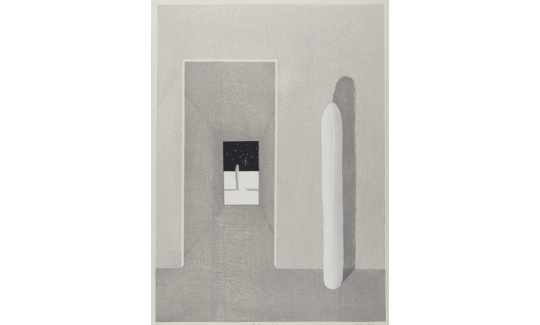
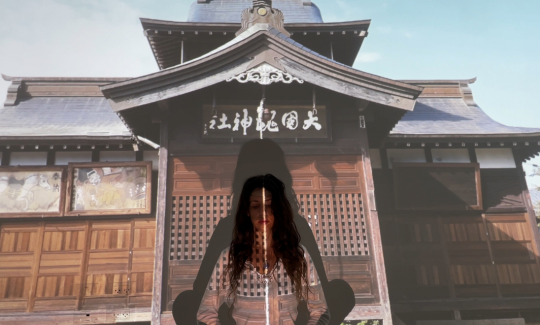
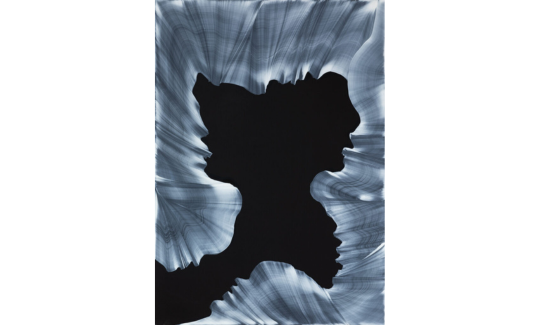
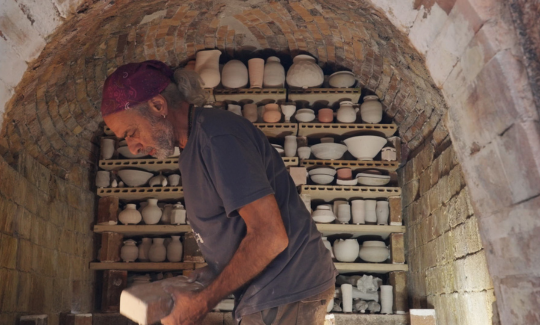
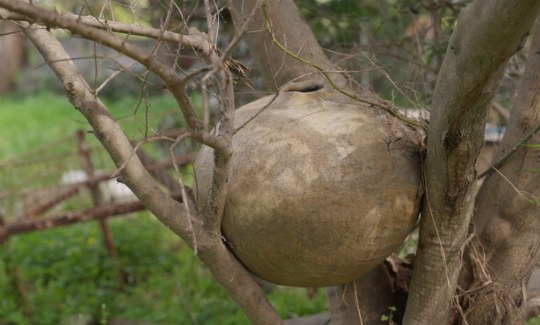
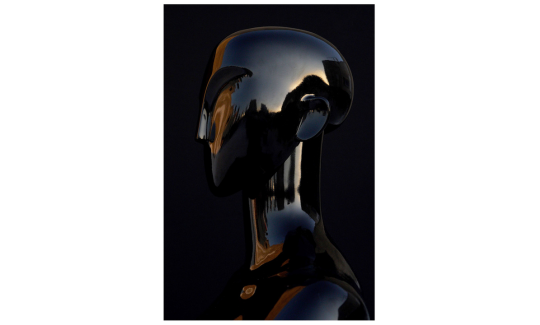
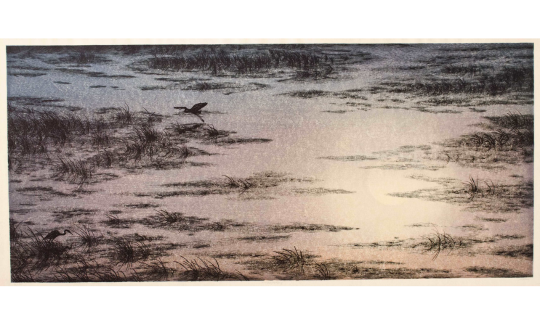
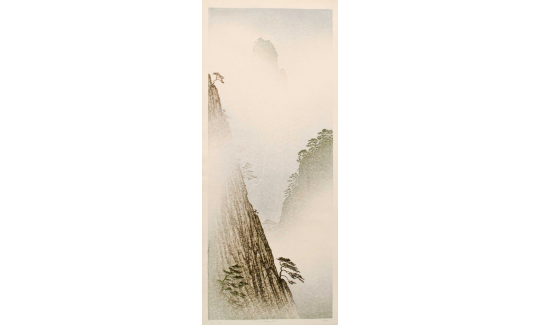
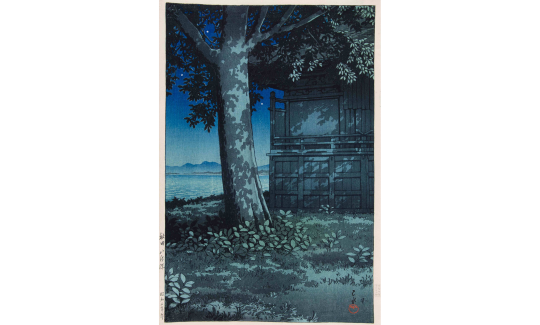
The exhibition In Praise of Shadows seeks to observe shadow not as an absence of light, but as a place where memory, mystery, and imagination exist; a place where things are not fully revealed. It unfolds as a movement between tradition and modernity, between classical Japanese printmaking and contemporary printmaking and photography, and current paper, ink, and ceramic works. But most of all, it seeks to trace one elusive quality – the way in which shadow gives the world aesthetic, emotional, and spiritual depth.
Also present in the exhibition is the spirit of the concept mono no aware, the sensitivity to the transience of things. This is a beauty that is always associated with the knowledge that it will decay and disappear. The falling of the cherry blossoms, the patina of old wood, the fading of ink on paper; these are not flaws but, rather, conditions of beauty. Shadow, in this sense, is also the shadow of time. This feeling resonates particularly through the concepts of wabi sabi. Wabi expresses a quiet, unostentatious simplicity, and sabi the beauty of the signs of time, wear and tear, and obsolescence. Unlike an aesthetic concept that seeks to shine, burnish, and illuminate every corner, this aesthetic offers a different attitude towards matter and time – not hiding the crack in an object yet recognizing its beauty, not revering perfection but cherishing vulnerability.
Perhaps this is also the enduring power of Japanese aesthetics — the ability to leave room for what is not fully revealed. In a world that seeks complete clarity, the exhibition offers the value of ambiguity. In a world that seeks exposure, it offers the power of suggestion, and in a world that rushes to illuminate everything, it reminds us that sometimes it is precisely in the shadows that the true depth of things is revealed.
The participating artists in the exhibition :
Ohad Tsfati, Takahashi Yo, Tali Benbassat, Yehudit Sasportas, Maya Smira, Meir Moheban, Miriam Cabessa, Noa Yafe, Nishimoto Akio, Zadok Ben David, Suly Bornstein Wolff, Shimada Setsuko, Timna Tsfati Neumann.
Utagawa Hiroshige, Utagawa Kuniyoshi, Katsushika Hokusai, Kawase Hasui, Kobayashi Kiyochika and additional artists from the Tikotin Museum collection.
The exhibition is sponsored by Toyota Israel
 (2).jpg)